“See Naples and Die”
The above quote, usually credited to Goethe, may sound ominous but it really means: you must see the city of Naples before you die. This we can say we have achieved and we are still alive. The following are a few points about this truly great city of the south.
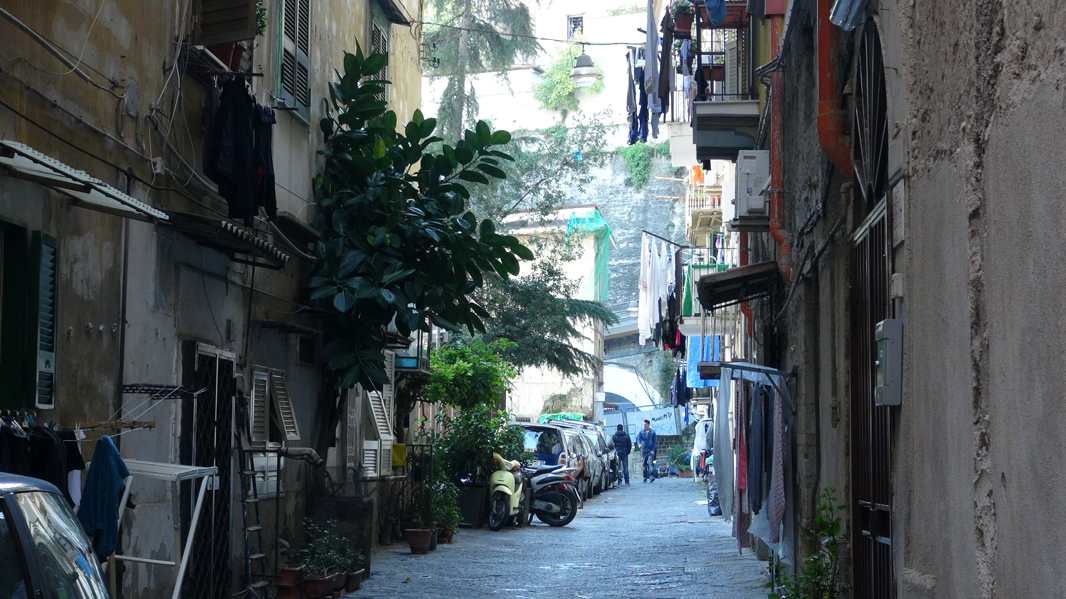
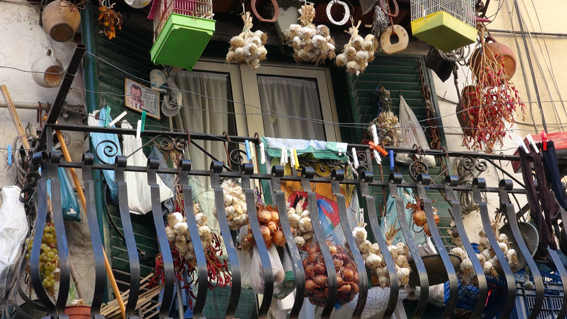
Up until the nineteenth century Naples was the third largest city in Europe rivalling Paris and London and its opulence and grandeur was legendary. As a result Naples’ old town is both vast and impressive: a maze of narrow streets castles, palaces, universities (Naples is home to the first university in Europe) and cathedrals pressed between the mountains and the sea. Castle Novou the stronghold of Naples medieval conquerors captivated me as the most impressive castle I’ve seen in Europe so far. The Galleria Umberto where a huge decorated glass ceiling high above the ground, covers streets, which run between the detailed facades of the stone buildings really took our breath away. I also loved the Villa Donn’Anna as its yellow crumbling half ruined stone archways and terraces rise from the edge of the sea and beautifully reflect the light of the setting sun (unfortunately we do not have photos of these sights because our Neapolitan friends insisted that we did not bring the camera on our night time walk for fear of Naples infamous thieves, a decision we regret.) There is also something undeniably enchanting about the narrow, yellow streets thronged with people, the balconies filled with hanging washing and goods for sale – Naples is a city to enjoy getting lost in, and its pizza and ice-cream are famous.
Naples also has a well preserved fascist quarter. Fascism remained popular in Naples up until the allied liberation of Italy (and according to our friends) many Neapolitans look back on the fascist period as a good time for Italy and recruits from southern Italy form much of the country’s police force. The most prominent of these fascist buildings, which were built after demolishing the previous neo classical architecture, is the post office, an imposing structure of black stone, adorned with a plaque commemorating Naples’ fascist legacy. The fist two metres of the building are covered thickly with multicoloured graffiti, creating the impression the council would be embarrassed to clean it away. The bleak stone buildings and large open spaces of the fascist quarter stand out among the tightly packed buildings of the old town and it is well worth a visit.

In the evening of our first day in Naples we walked to the top of the Hill of Posillipo, a high headland jutting into the ocean just north of the city centre, the aptly named Park of Remembrance. From here you can look south and see the city stretching before you to the edge of mount Vesuvius. You can look east into the glittering Mediterranean and the rocky islands of the coast, but if you look north you will see a vast industrial wasteland, huge factories, warehouses and cooling ponds.
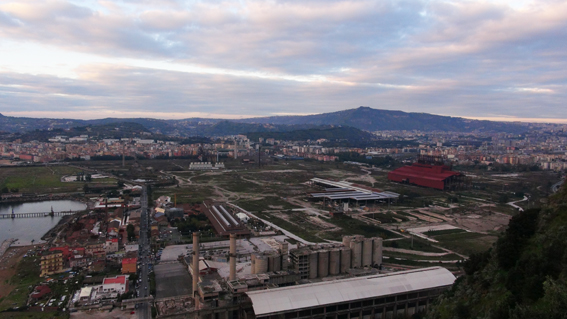
The industrial area was decommissioned in the seventies and the clean up jobs were contracted to the Camorra (the infamous Neapolitan mafia) who embezzled the money from the government contracts and never cleaned up the sight, which remains a bleak toxic wasteland. The issue is still very much alive as there is a museum of science close to the industrial sight. A suspicious fire destroyed half of the museum last year, and the incident is widely believed to be arson perpetrated by the Camorra who were unhappy with the investigation of students working there. Naples is a city of layers, contradictions and beauty. We saw Naples and lived.